


Royal British Legion facing growing pressure from peace activists over renaming of National Memorial Arboretum
Royal British Legion facing growing pressure from peace activists over renaming of National Memorial Arboretum
THE Peace Pledge Union (PPU), a pacifist organisation that runs the White Poppy Campaign, has joined others in criticising the decision to rename the National Memorial Arboretum the "Royal British Legion National Remembrance Gardens".
The PPU warns that the name change risks entrenching the military focus of the site and sidelining different approaches to remembrance, including those who want to commemorate civilians and offer critical perspectives on war and armed violence.
A Change.org petition against the renaming has passed 33,000 signatories, drawing support from veterans, the families of armed forces personnel and other members of the public. Together they argue the name change strips the site of its identity as a national place of remembrance for everyone.
The renaming follows the Royal British Legion's (RBL) full governance integration with the Arboretum, completed in April 2026 – part of a wider strategy that runs until 2035 to "evolve Remembrance and widen participation".
The PPU argues the rebrand does not widen participation. Instead it skews the gardens further toward a military focus, in line with the RBL's explicit remit as a charity designed "to recognise, remember, and support the armed Forces community".
The name change, the PPU claims, is therefore likely to further marginalise those who want to remember civilians who have been harmed in war – the numbers of which have starkly risen in the past two years. According to the UN, over 48,000 individuals, mostly civilians, were killed in conflicts in 2024 alone – a surge of 40%.
Geoff Tibbs, Project Manager for the White Poppy campaign, at the PPU, said: "Remembrance should be for everyone affected by war, on all 'sides' of conflict. That includes people of all nationalities, civilians caught in the crossfire, refugees and nonviolent protesters, as well as military casualties. Renaming the Arboretum after the Royal British Legion, an organisation designed to support the British armed forces, will inevitably exclude those critical of war and UK foreign policy. It will further push civilians to the sidelines, even though they make up the majority of victims of war.
"If remembrance is to mean anything today, it must allow for reflection on the full impacts and devastation caused by war, across national boundaries. It must hold true to the message 'never again', which remains as urgent now as ever."
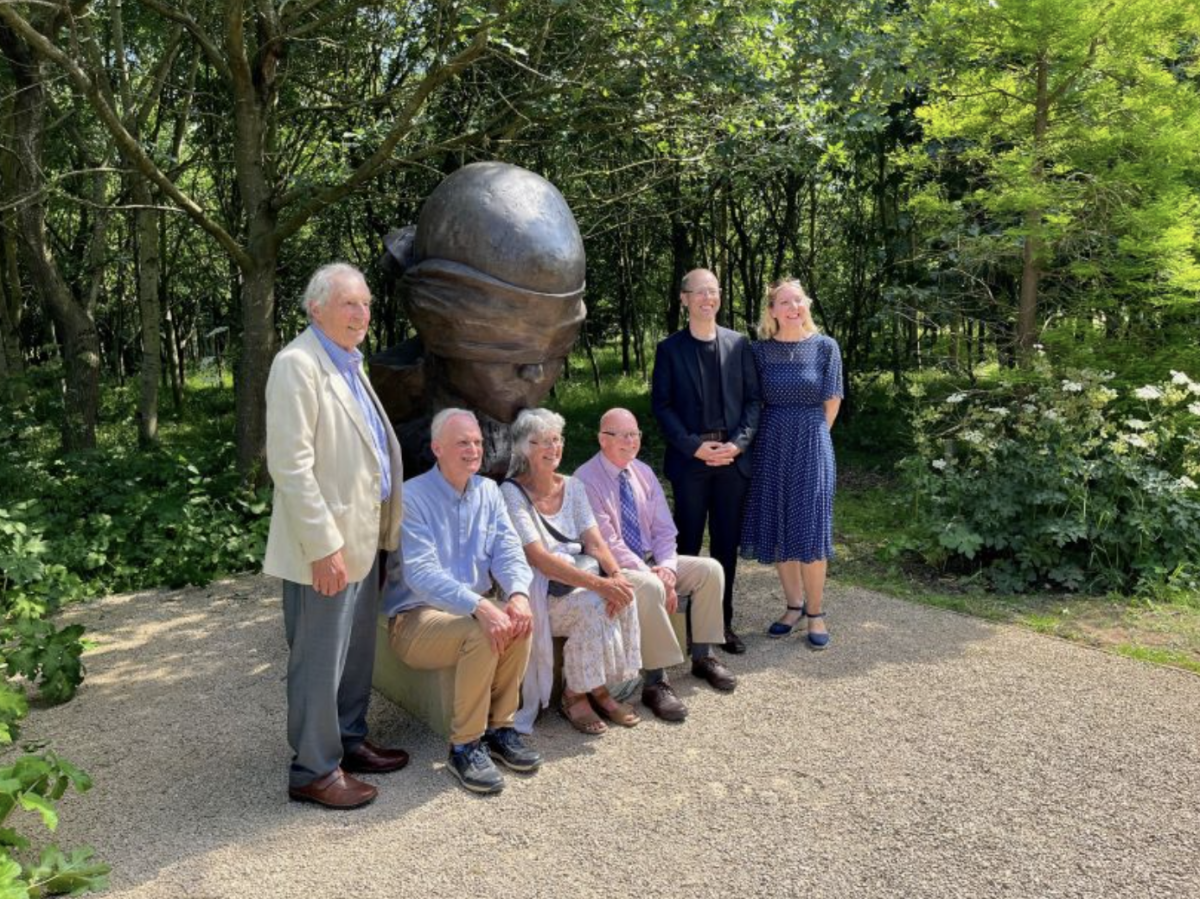
Barbara Mark, a Quaker who has helped to create a new memorial for civilians at the site named The Pity of War, has been campaigning to get alternative voices represented at the Gardens. She said: "Quakers have always believed that remembrance should honour those who serve humanity, not just those who take up arms. Our Pity of War memorial at the Arboretum hopes for reconciliation and was built as a space for everyone touched by war. Renaming the site risks losing sight of that."
William Waddilove, a Quaker involved in action resisting the name change, said: "I am horrified. We forget the Arboretum is a national place of Remembrance. Giving it such a name is an upsetting insult to all those who gave their lives but resisted any connection with the military."
The Peace Pledge Union (PPU), founded in 1934, is a pacifist organisation that distributes the white poppy as a symbol of remembrance for all victims of war, a commitment to peace, and a challenge to any attempt to glorify or normalise military action.
The PPU is calling on the Royal British Legion to reconsider the renaming and to take concrete steps to ensure the site remains open to all forms of remembrance - including those that question war itself, such as pacifists and peace campaigners.
White poppies were created in 1933 by the Co-operative Women's Guild, a predominantly working-class group of women advocating for peace, who wished to honour their brothers, sons, fathers and friends who had died in the First World War.
Among the non-military memorials at risk of being overshadowed by the rebrand is the Pity of War memorial space, dedicated to those who worked and campaigned for peace.
[Image: Members of the Pity of War Charitable Trust with sculptor Peter Walker (second right), photo credit: Steve Hale]